
Middle East Tensions: A Catalyst for Oil Prices and Market Volatility
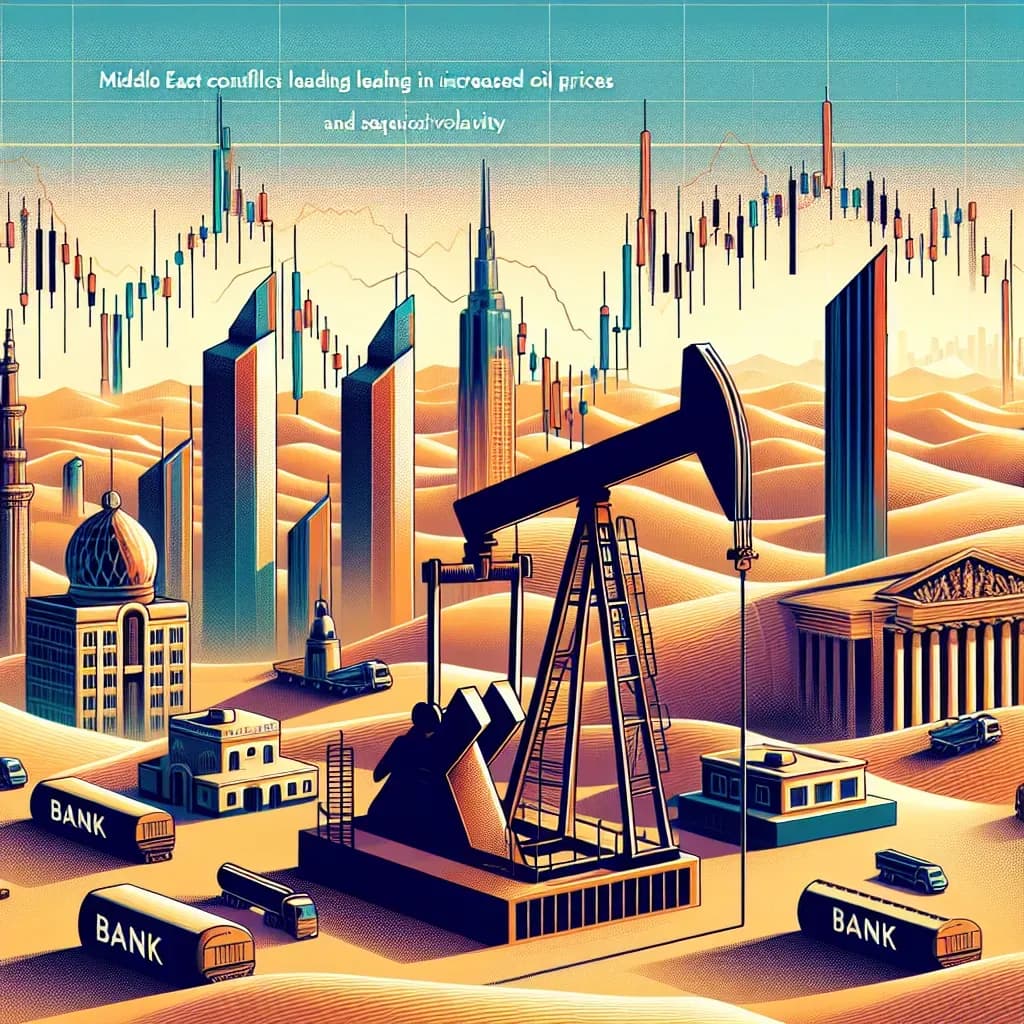
Rising Tensions in the Middle East and Their Impact on Financial Markets
As tensions escalate in the Middle East, investors are closely monitoring the implications for various sectors, particularly those tied to oil and financial services. The recent surge in oil prices, coupled with the resultant fluctuations in stock markets, has created a complex environment for investors.
Oil Prices and Energy Stocks
The ongoing conflict has led to a notable increase in oil prices, with futures for both WTI and Brent crude experiencing significant spikes. This rise in energy costs is raising concerns about inflation and its potential to erode corporate profits across multiple sectors. Companies heavily involved in the energy sector, such as ExxonMobil (XOM) and Chevron (CVX), are likely to see the effects of these price fluctuations on their bottom lines. Investors should keep a close eye on these stocks as the situation develops.
In addition to oil giants, the energy market also affects smaller players like Devon Energy (DVN) and ConocoPhillips (COP), both of which are heavily reliant on crude prices. As tensions continue, these companies may benefit from higher energy prices, but they also carry risks associated with geopolitical instability.
Financial Sector Under Pressure
The financial services sector is also feeling the heat. Banks like HSBC Holdings (HSBC) have reported mixed results, with their latest earnings reflecting challenges due to rising credit charges linked to the ongoing conflict. Higher tensions can lead to increased uncertainty in financial markets, which may further impact banks' profitability.
Additionally, investment banks such as Morgan Stanley (MS) are facing scrutiny as they navigate regulatory challenges in various international markets. The ongoing investigation into their Budapest operations highlights the complexities that financial firms must manage amid geopolitical unrest.
Broader Market Implications
The broader stock market is showing signs of volatility as investors react to rising energy prices and the potential for inflation. With fears that climbing energy costs will spur inflationary pressures, sectors such as consumer goods and technology could also see significant impacts. Companies like Procter & Gamble (PG) and Apple (AAPL) could face challenges as consumer spending behaviors shift in response to rising costs.
As stock investors, it is crucial to remain vigilant and adaptable in these rapidly changing market conditions. Monitoring developments in the Middle East, alongside economic indicators, will be vital in making informed investment decisions.
In summary, the interplay between geopolitical tensions, oil prices, and financial performance will continue to shape market dynamics in the coming weeks. Investors should carefully analyze their positions in energy and financial stocks while considering the broader economic implications of rising tensions.
Read more: Dollar Rises as Middle East Tensions Flare Up Read more: HSBC Posts Flat Quarterly Net Profit Read more: Oil Futures Fall on Possible Technical Correction Read more: Morgan Stanley’s Investment Banking Program in Budapest Hit by U.S. Probe