
Turbulent Times: How Middle East Tensions Impact Markets and Energy Prices
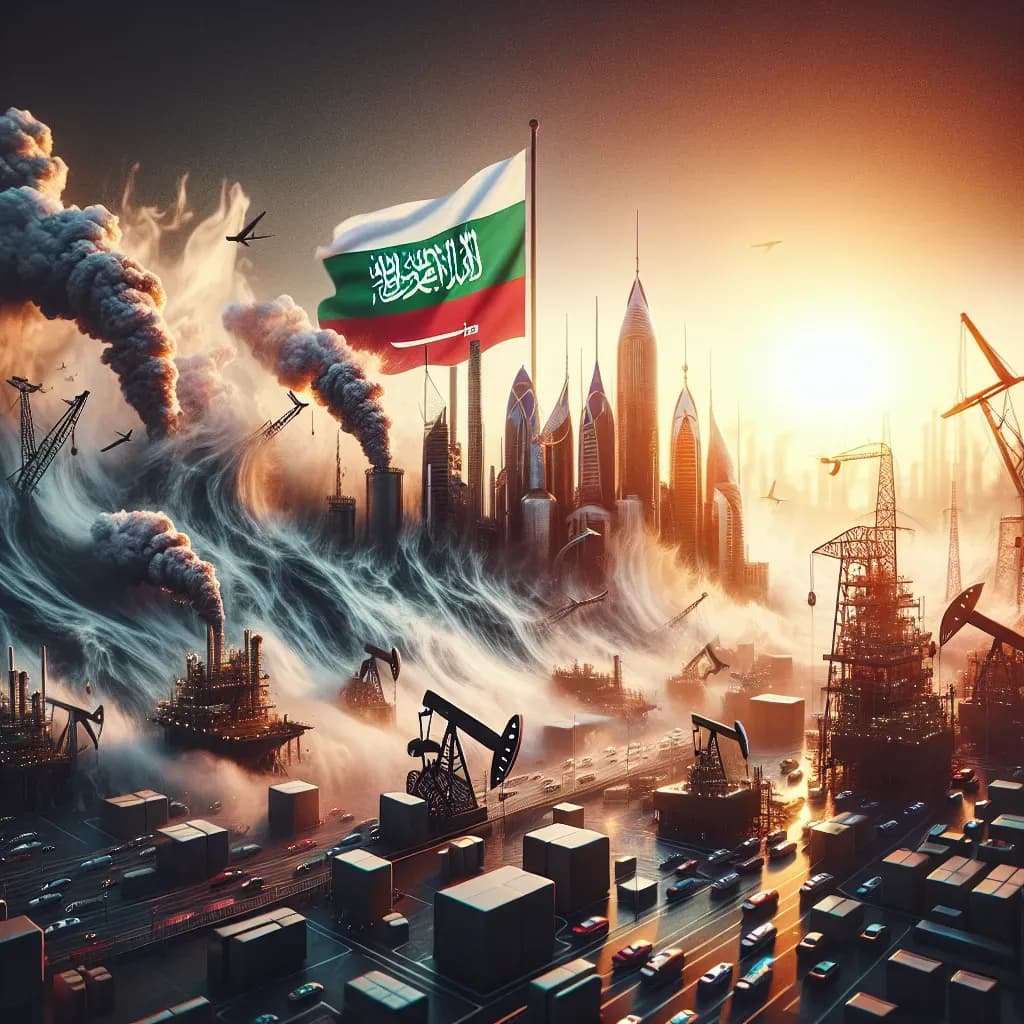
Market Impact Analysis: Geopolitical Tensions in the Middle East
In recent developments, former President Donald Trump has made statements regarding significant geopolitical tensions involving Iran, Israel, and Qatar. These statements could have substantial implications for various sectors in the financial markets, particularly in the energy sector, defense, and international trade.
1. Escalation of Tensions in the Middle East
Trump's remarks about Israel's attack on the South Pars Gas Field in Iran and the potential for U.S. retaliation could lead to heightened tensions in the region. The South Pars Gas Field is one of the largest natural gas reserves in the world, and any disruption to its operations could lead to volatility in global natural gas prices. Companies such as Cheniere Energy ($LNG), which is a major player in the liquefied natural gas (LNG) sector, could see fluctuations in their stock prices as investors react to the potential for reduced supply or increased geopolitical risk.
2. Impact on Energy Prices
The Middle East remains a crucial hub for energy supplies, and any military conflict in this region typically leads to spikes in oil and gas prices. This volatility can impact companies across the energy sector. For instance, ExxonMobil ($XOM) and Chevron ($CVX), two of the largest oil companies in the U.S., may experience stock price fluctuations based on investors' perceptions of rising geopolitical risks and potential supply constraints.
Moreover, if tensions escalate further, we may also see increased activity in the commodities market. Firms like Halliburton ($HAL), which provide services to oil and gas companies, could also be impacted as energy prices fluctuate and project demands change in response to geopolitical events.
3. Defense Sector Implications
The potential for military action mentioned by Trump could also benefit defense contractors. Companies such as Lockheed Martin ($LMT) and Raytheon Technologies ($RTX) could see increased stock activity as governments may ramp up defense spending in response to rising geopolitical threats. Investors often buy stocks in defense companies when tensions rise, anticipating increased government contracts.
Conclusion
The geopolitical landscape in the Middle East, particularly the statements made regarding Iran, Israel, and the potential for U.S. military action, could lead to increased volatility in the financial markets. Investors should closely monitor developments in this area, as they can significantly influence energy prices and defense sectors, which in turn can impact the overall market sentiment.
As always, prudent investors will assess their positions in light of these developments and consider the ripple effects on related sectors and companies.
Read more: