
Meme Stocks: The Market Game Changers You Can't Ignore
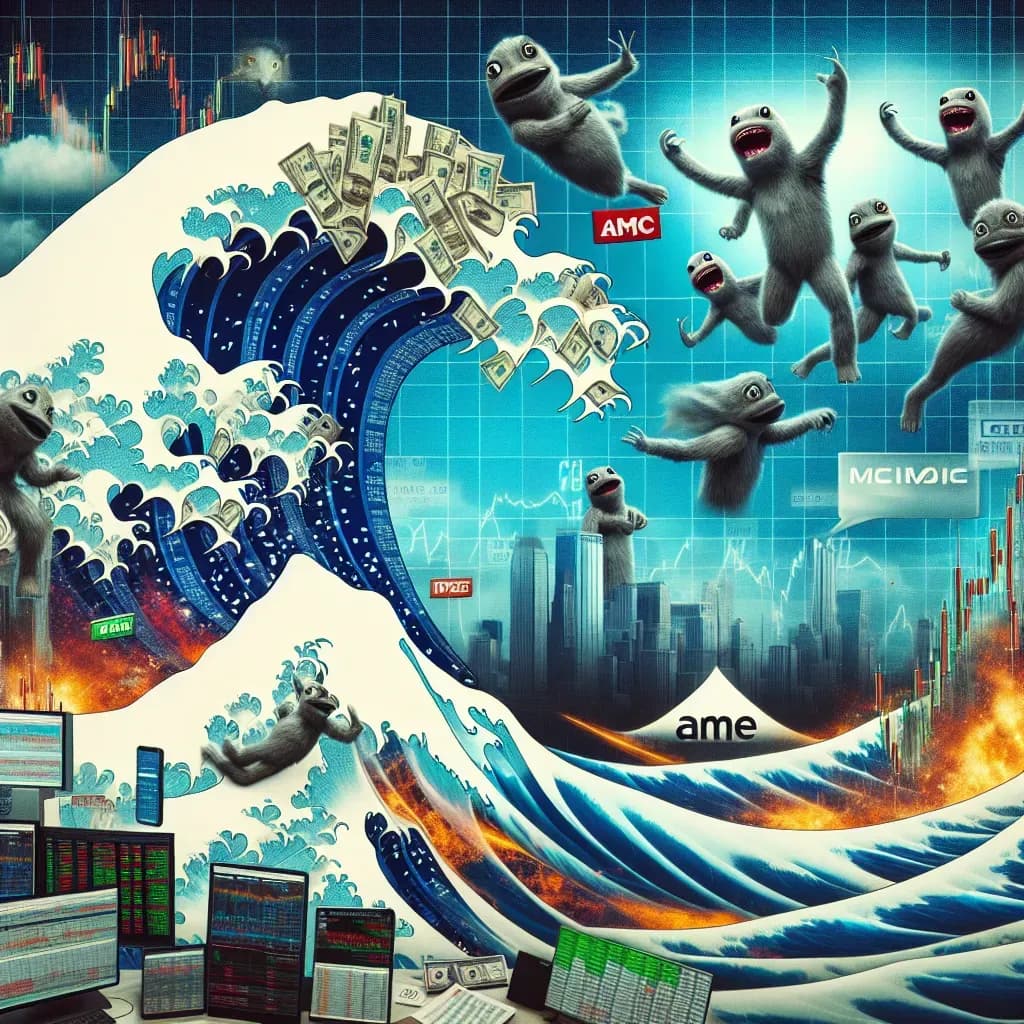
Why Meme Stocks Still Matter: Understanding Their Impact on the Market
In recent years, meme stocks have taken the financial world by storm, captivating both seasoned investors and newcomers alike. Initially dismissed as a passing trend, these stocks—often propelled by social media fervor and online communities—have demonstrated a remarkable ability to influence market dynamics. Despite their volatility and the skepticism surrounding them, meme stocks continue to hold significant relevance in today’s investing landscape.
The Rise of Meme Stocks
Meme stocks gained notoriety in early 2021 with the explosive growth of companies like GameStop ($GME) and AMC Entertainment ($AMC). Fueled by discussions on platforms like Reddit, particularly the subreddit r/WallStreetBets, these stocks showcased the power of collective action among retail investors. With a strong community backing, meme stocks have challenged traditional market principles, creating new opportunities—and risks—for investors.
Why Investors Should Care
- Volatility and Opportunity: While meme stocks are known for their wild price swings, they also present unique opportunities for profit. Investors who can navigate the volatility may capitalize on short squeezes and rapid price movements. For instance, Bed Bath & Beyond ($BBBY) experienced a meteoric rise in early 2022, attracting attention and investment from those looking to ride the wave.
- Cultural Significance: The phenomenon of meme stocks transcends mere financial transactions; it represents a shift in how investors engage with the market. Companies like Clover Health Investments ($CLOV) have become symbols of this movement, rallying support from retail investors who feel empowered to challenge institutional players.
- Market Influence: Meme stocks have begun to affect broader market trends, as their performance can impact investor sentiment and trading behavior. For example, Tesla ($TSLA) has often been discussed in meme culture, and its stock price movements can create ripples across various sectors, influencing investor strategies.
Key Players in the Meme Stock Arena
- GameStop ($GME): The original meme stock, GameStop, saw its stock price soar from around $20 to over $400 in a matter of days due to massive buying by retail investors. The company's struggle to adapt to a digital gaming world has not dampened its meme status.
- AMC Entertainment ($AMC): This cinema chain became a favorite among meme stock enthusiasts, especially during the pandemic when theaters were shuttered. Investors rallied behind AMC, pushing its stock to unprecedented levels.
- Bed Bath & Beyond ($BBBY): Once a staple of home goods shopping, Bed Bath & Beyond transformed into a meme stock as its shares skyrocketed due to retail investor interest, prompting discussions about the future viability of traditional retail in the face of e-commerce.
- Clover Health Investments ($CLOV): Known for its innovative health insurance model, Clover Health gained traction as a meme stock, showcasing how diverse sectors can participate in this phenomenon.
- Tesla ($TSLA): While not a meme stock in the traditional sense, Tesla's cult-like following and constant online chatter ensure it remains a significant player in the meme stock conversation.
Conclusion
Meme stocks are more than just a fleeting trend; they represent a fundamental shift in the investing landscape. For stock investors, understanding the dynamics of meme stocks can provide valuable insights into market behavior and community-driven movements. Whether you choose to engage with these stocks or not, their influence on the market is undeniable and worthy of attention.
For more insights into meme stocks and their cultural significance, check out these articles: Read more: Why Meme Stocks Still Matter