
Hormuz Blockage: A Ripple Effect on Global Markets and Investments
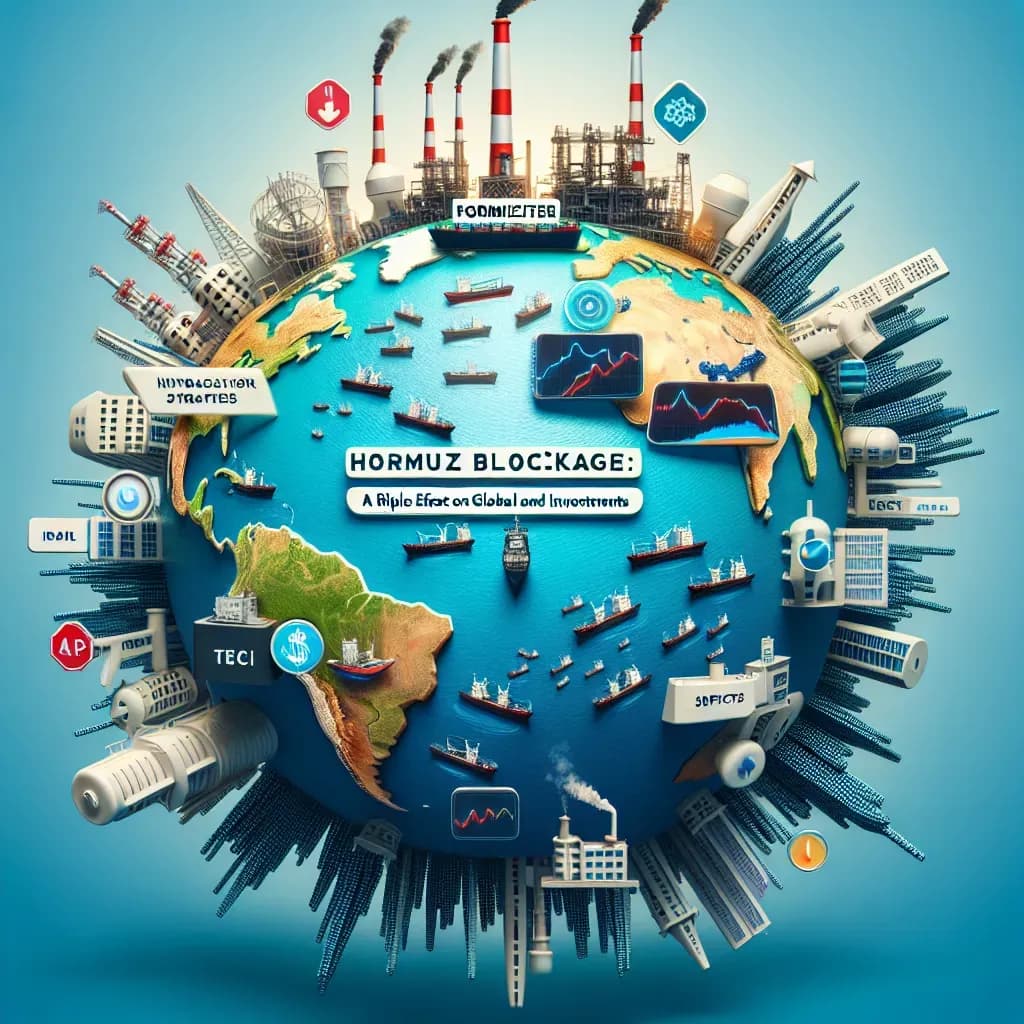
How the Blockage of Hormuz is Rattling Global Markets
The recent geopolitical tensions surrounding the blockage of the Strait of Hormuz have sent shockwaves across various markets, impacting not only the oil and gas sectors but also a myriad of other industries. As stock investors, it is crucial to understand how these developments can influence your investment strategies and portfolio diversification.
The Broader Impact
While oil prices are the most visible outcome of the blockage, the ripple effects extend into other essential markets including fertilizers, semiconductors, and consumer products. Companies like Nutrien Ltd. ($NTR), a major player in fertilizer production, could face supply chain disruptions that may impact their pricing power and operational efficiency. With rising fertilizer costs potentially affecting agricultural output, investors should keep a close eye on Nutrien's stock performance during this turbulent period.
In the semiconductor space, firms like Taiwan Semiconductor Manufacturing Company ($TSM) are also likely to feel the pinch. Disruptions in the supply chain could delay production timelines and escalate costs, which may affect their future earnings. For investors in TSM, monitoring global supply chain dynamics will be essential to assess potential risks to their investment.
Consumer Products Under Pressure
The packaged consumer goods market is another area facing challenges. Companies such as Procter & Gamble Co. ($PG), which relies on a stable supply of raw materials from various regions, could see increased costs and logistical hurdles. If supply chain disruptions continue, P&G might need to adjust its pricing strategies, which could impact consumer demand and, ultimately, its stock price.
In light of these developments, investors should also consider the performance of Coca-Cola Co. ($KO). As a major player in the beverage industry, Coca-Cola's operations depend heavily on consistent supply chains. If the blockage persists, it could lead to increased costs for raw materials, thereby affecting margins and profitability.
A Changing Landscape for Investors
As the situation in the Strait of Hormuz continues to evolve, stock investors need to remain vigilant. Diversification across sectors will be critical to mitigate risks associated with potential supply chain disruptions. It may also be wise to keep an eye on commodities and alternative investments that could benefit from rising prices in the affected markets.
In conclusion, the geopolitical landscape can significantly impact financial markets in ways that are often interconnected. By keeping abreast of the developments surrounding the blockage of Hormuz and their implications for various sectors, investors can make informed decisions that safeguard their portfolios.
Read more: The Other Markets Being Rattled by the Blockage of Hormuz